
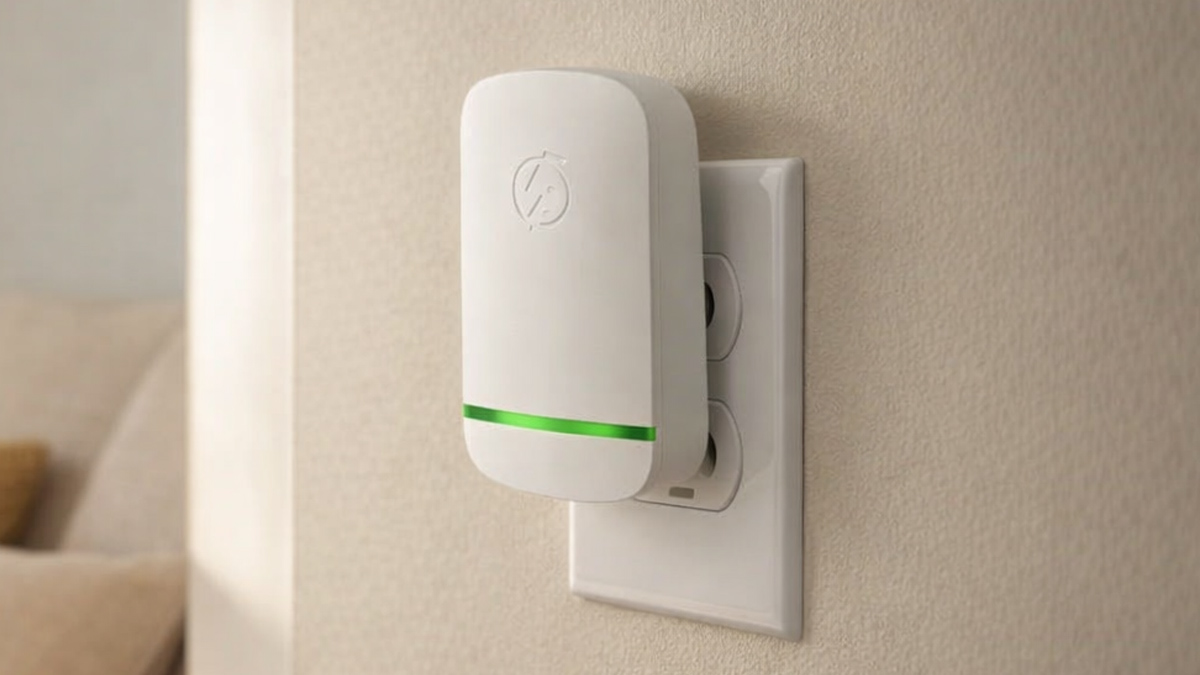
ElectroX reviews became an important search phrase in March 2026 as consumers tried to verify the legitimacy of an electricity saving box promoted in online ads. The marketing mentioned a supposed retired electrician named Robert of Columbus, Ohio, and a former MIT engineer named David Morrison while promising that a small plug-in device could drastically reduce electric bills. Those claims circulated widely alongside search phrases such as ElectroX reviews, ElectroX scam and ElectroX legit. The evidence behind the promotion pointed to the same warning signs that appeared in many online scams.
The ElectroX promotion followed a pattern used for years by sellers pushing inexpensive electricity saving boxes. The ads promised that utility companies secretly wasted electricity and charged consumers for power they never used. The device supposedly solved that problem by stabilizing electricity inside the home. That explanation sounded technical, but the marketing relied heavily on storytelling and dramatic narration rather than credible engineering evidence.
The promotional videos and sales pages also used urgency and emotional language designed to push quick purchases. Many viewers likely encountered the pitch in Facebook or Instagram ads or in TikTok ads, where short promotional videos often spread quickly through paid advertising. Those platforms made it easy for marketers to circulate a product under new names even when the hardware remained identical.
The device resembled older electricity box offers
The ElectroX device matched the same generic electricity saving boxes that sellers previously marketed under names such as StopWatt and Power Pro. Packaging for those products often displayed phrases such as “Electricity Saving Box,” “Intelligent Energy Saver,” and “The Result is the Best.” Those phrases suggested mass-produced electronics rather than a patented invention developed by a research engineer.
Identical devices also appeared for only a few dollars on large online marketplaces. Listings on sites such as AliExpress or similar wholesale platforms sold nearly identical units for roughly $3 to $6 each. Those listings treated the product like a simple electronic gadget rather than a breakthrough technology capable of dramatically lowering a household utility bill.
Despite those low wholesale prices, the ElectroX promotion attempted to sell the same type of device for significantly higher prices through its marketing funnel. The sales pages encouraged buyers to purchase multiple units, often suggesting that several boxes placed around a home would increase the supposed savings.
Novari Home checkout introduced a $49.99 subscription
The most significant warning sign appeared not in the device itself but in the checkout process connected to the promotion. The sales funnel directed buyers from a promotional landing page to a website called Novari Home, hosted at novarihome.com. That website handled the purchase process and displayed the billing terms associated with the order.
Buried in the terms of service on the Novari Home website appeared language describing a VIP Membership program. The terms explained that customers could be enrolled in a subscription that charged up to $49.99 every 30 days. The first charge could occur 12 days after the initial purchase, followed by recurring monthly charges.
The membership description stated that the program provided benefits such as VIP pricing, free shipping and priority customer support. However, the placement of that disclosure inside a lengthy terms page created serious concerns. Buyers who believed they completed a simple one-time purchase of a device could have faced unexpected recurring charges if they overlooked the membership language.
The Novari Home terms also said customers could cancel the membership through the company website or by contacting customer support. Critics argued that disclosures about recurring billing should appear clearly during checkout rather than hidden in terms pages that many buyers never read.
Sales pages used questionable trust signals
The ElectroX marketing also used several credibility signals that appeared misleading. One page displayed a trust score of 4.7 out of 5 based on more than 11,000 customer reviews. The graphics closely resembled the design used by Trustpilot ratings, including green squares and white stars.
However, the page did not link to any verified review platform. The marketing also displayed logos suggesting the product appeared on NBC, ABC, CBS, Fox News, USA Today and Digital Journal. Those claims attempted to create an impression of media coverage without providing evidence that any of those outlets actually reported on the product.
The same sales pages pushed a supposed 50 percent discount labeled as a limited-time offer. That tactic appeared frequently in online marketing funnels because it created pressure for visitors to buy quickly. In many cases, those discounts remained permanently active while the “today only” messaging stayed in place for months.
The electricity claims did not match how meters work
The ElectroX promotion claimed that utility companies secretly sent excess electricity to homes and charged customers for unused power. According to the ads, the plug-in box blocked that excess electricity and prevented the meter from recording it.
Electric meters measure the electricity that appliances and devices actually consume. A small plug-in box does not stop legitimate electricity use across an entire home. Devices like the generic electricity saving box typically contain only basic components such as small capacitors or LED indicator lights.
Because of that limitation, similar electricity-saving gadgets faced criticism for years. Investigations of earlier versions frequently found little internal technology capable of meaningfully changing a home’s power consumption.
Consumers searched ElectroX reviews for answers
The spike in searches for ElectroX reviews likely reflected consumers trying to determine whether the device actually worked. Those searches occurred because the marketing spread rapidly across social media advertising platforms while offering dramatic claims about cutting electric bills.
People seeking trustworthy consumer information could eventually find reports or complaints through organizations such as the BBB, Trustpilot or Consumer Reports. Those resources sometimes collect customer experiences, complaints and product investigations that help buyers evaluate questionable offers.
Consumers who believed they encountered deceptive advertising or fraudulent billing tied to the ElectroX or Novari Home promotion could also report the matter to the FTC. Fraud reports help investigators identify patterns involving renamed products, recycled marketing funnels and recurring subscription charges.
The ElectroX promotion combined a cheap generic device with dramatic advertising and a checkout funnel tied to a recurring $49.99 monthly membership. Consumers searching for ElectroX reviews looked for confirmation before spending money. The product history, the marketing tactics and the Novari Home subscription terms all suggested that caution remained the safest response.
Important Note: I generated this article and the featured image with the help of ChatGPT. Scammers use AI to promote scams. In order to help as many consumers as possible, it’s time to punch back with AI. Too many scams out there these days. Gotta do something.