
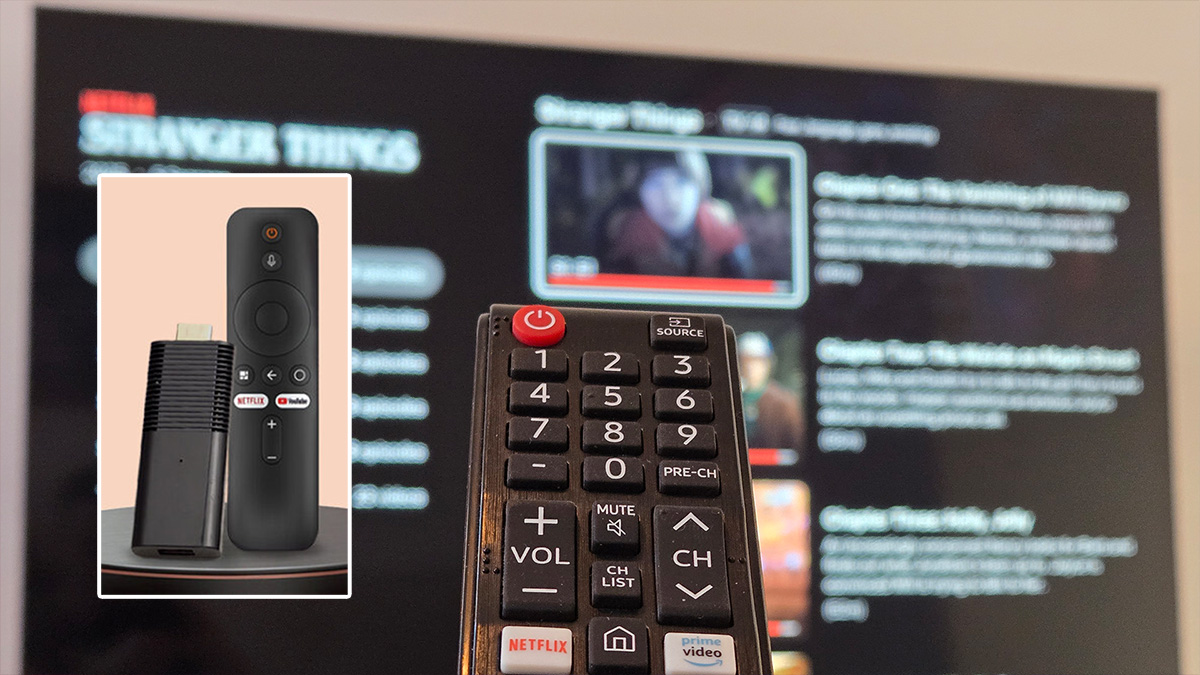
People searched for MoxiPlayer reviews in February 2026 after ads promoted a device called MoxiPlayer as a way to replace cable and paid streaming subscriptions. The marketing pushed a “TV loophole” angle and suggested viewers could watch content found on Netflix, Disney Plus and HBO Max without paying monthly fees. The claims did not match how streaming services worked.
The pitch pointed consumers to moxiplayer.com and to advertorial-style pages that resembled tech reporting. One page presented a story headline that said, “Why millions are ditching Netflix and Disney+ for this $70 TV loophole device,” even as ads pushed a $39 price. The same pages attached names to the story and to a supposed creator, including Michael Grant as an author credit and “Jonas” as an engineer who “cracked the TV system.” Another page switched to a different name, Alex Dane, and the inconsistency raised more concerns.
The campaign relied on implication. Images and text referenced Netflix and other major services, and the copy suggested the device unlocked “thousands of channels” and titles found on paid platforms. Marketers used this approach in many online scams because it nudged consumers toward a conclusion while giving sellers room to deny specific promises later.
Bottom line in plain English: Consumers should steer clear of “free money” online offers that sound too good to be true. Anyone who already purchased this product should contact their credit card company if they could not reach a legitimate company representative.
How the MoxiPlayer marketing tried to hook viewers
MoxiPlayer ads leaned into a real pain point. Many households had paid separate monthly fees for Netflix, Disney Plus, Prime Video, Hulu, Peacock, ESPN, Apple TV Plus and HBO Max. The advertorial framed that stack of charges as a broken system and then pitched MoxiPlayer as the fix.
The campaign used a familiar template. It presented a “news” article layout, sprinkled in a dramatic origin story and described a tiny stick that supposedly delivered movies, live sports and TV channels without subscriptions. It also encouraged shoppers to believe they found a workaround instead of a basic streaming device.
What the device likely did in real life
A TV stick could load apps, connect to Wi-Fi and stream content through legitimate platforms. That functionality did not equal free access to paid services. Netflix, Disney Plus and HBO Max still required paid accounts, and no legal consumer device “unlocked” those platforms for free.
MoxiPlayer marketing blurred that line by pairing subscription names with phrases such as “no monthly fees” and “unlimited media.” A remote control image even showed a Netflix button, which strengthened the impression that the device provided special access. The button did not change subscription requirements, and it did not prove a partnership with Netflix.
Fake review scores, shifting prices and inconsistent names
The sales pages presented unverified ratings that changed across the same funnel. One section displayed a 9.8 out of 10 score, while another section dropped to 9.2 out of 10. Another page claimed a 4.9 out of 5 rating. The pages also included short “customer comments” without sourcing, verification or clear purchase records.
Pricing claims also shifted. Ads pushed a $39 offer, but an advertorial headline referenced a $70 device. The funnel then attached different names to the supposed expert behind the product. Those moving details typically signaled a marketing operation that prioritized conversion over accuracy.
Where consumers often saw this kind of pitch
Consumers frequently ran into similar campaigns through Facebook or Instagram ads that linked to advertorial pages and one-click checkout flows. Marketers also pushed fast-moving claims through TikTok ads that used urgency and “loophole” language. These channels helped sellers scale quickly and test variations until a pitch performed well.
In this case, the campaign framed the device as a way to cut out streaming bills “forever,” even though streaming platforms had full control over access. The pitch also encouraged consumers to treat subscription costs as the problem and a mystery stick as the solution.
Refund promises did not erase the risk
Marketers often promoted money-back guarantees for products like MoxiPlayer. That promise did not ensure a smooth refund process. Consumers regularly reported difficulty reaching support teams, and many people ultimately relied on credit card disputes when companies failed to respond or delayed refunds.
Consumers should also avoid contacting legitimate companies with similar names. Those unrelated businesses had no involvement in the MoxiPlayer marketing and could not provide support or refunds for purchases tied to this funnel.
Where consumers could look for credible reporting later
People who searched for MoxiPlayer reviews often did so because they could not find reliable consumer reporting at the time. Over time, consumers could have checked established resources for updates. The Better Business Bureau sometimes hosted business profiles and complaint patterns. People also sometimes posted feedback on Trustpilot, and journalists and testers sometimes published product reporting through Consumer Reports.
Consumers who believed they encountered deceptive marketing could also report the situation to the FTC. Those reports helped track patterns and supported broader enforcement work.
The takeaway
MoxiPlayer marketing suggested a cable replacement and implied free access to premium streaming, but the claims did not align with how streaming platforms operated. The campaign relied on shifting details, unverified ratings and suggestive images rather than clear, verifiable facts. Consumers who wanted a streaming stick typically reduced risk by buying directly from established manufacturers instead of chasing “loophole” promises.
Important Note: I generated this article with the help of ChatGPT. Yes, AI. Hear me out. ChatGPT sourced my hours of manual work in creating one or more YouTube videos for this online scam. The reason I chose ChatGPT to write my article, instead of me writing the article manually, is because one of the very few good uses of AI is how fast it can be to produce warnings to help keep people away from the thousands of scams that exist online. Scammers are using AI to scam consumers at scales unlike humanity has ever seen before. At this rate, the only way to make a meaningful dent in scammers’ work — and to save as many consumers as possible — is not to manually and slowly write scam-busting articles the old-fashioned way. The answer is to ask AI to help get the word out to people to save consumers from potentially experiencing some of the most devastating moments of their lives, which is exactly how many people feel when they’ve been scammed. And yes, this entire note was actually written by me. Thank you for reading.