
Dentanol reviews became a frequent search query after online ads promoted a supplement claiming it could regrow teeth, rebuild gums and eliminate dental disease through a so-called mineral ritual. No credible Dentanol reviews appeared online at the time of publication. Instead, consumers searched for answers after encountering a long-form video presentation that relied on exaggerated promises, fabricated scientific claims and staged authority figures to sell a bottle of pills. The marketing raised red flags commonly associated with scam marketing funnels, though no evidence suggested the legitimate product creators themselves orchestrated the deceptive advertising.
Bottom line in plain English: Consumers should steer clear of medicinal products marketed with questionable or potentially deceptive claims, especially when the product does not appear for sale in their local pharmacies and the company does not clearly identify its true founder, staff or mailing address. Consumers should also be cautious when an unofficial-looking website offers money back guarantee promises or raises the risk of charging monthly subscription fees. In those situations, the safest move is to close the website and make an appointment with a medical doctor. Anyone who already purchased a product after seeing questionable claims should contact their credit card company if they could not reach a legitimate company representative.
What the Dentanol marketing claimed
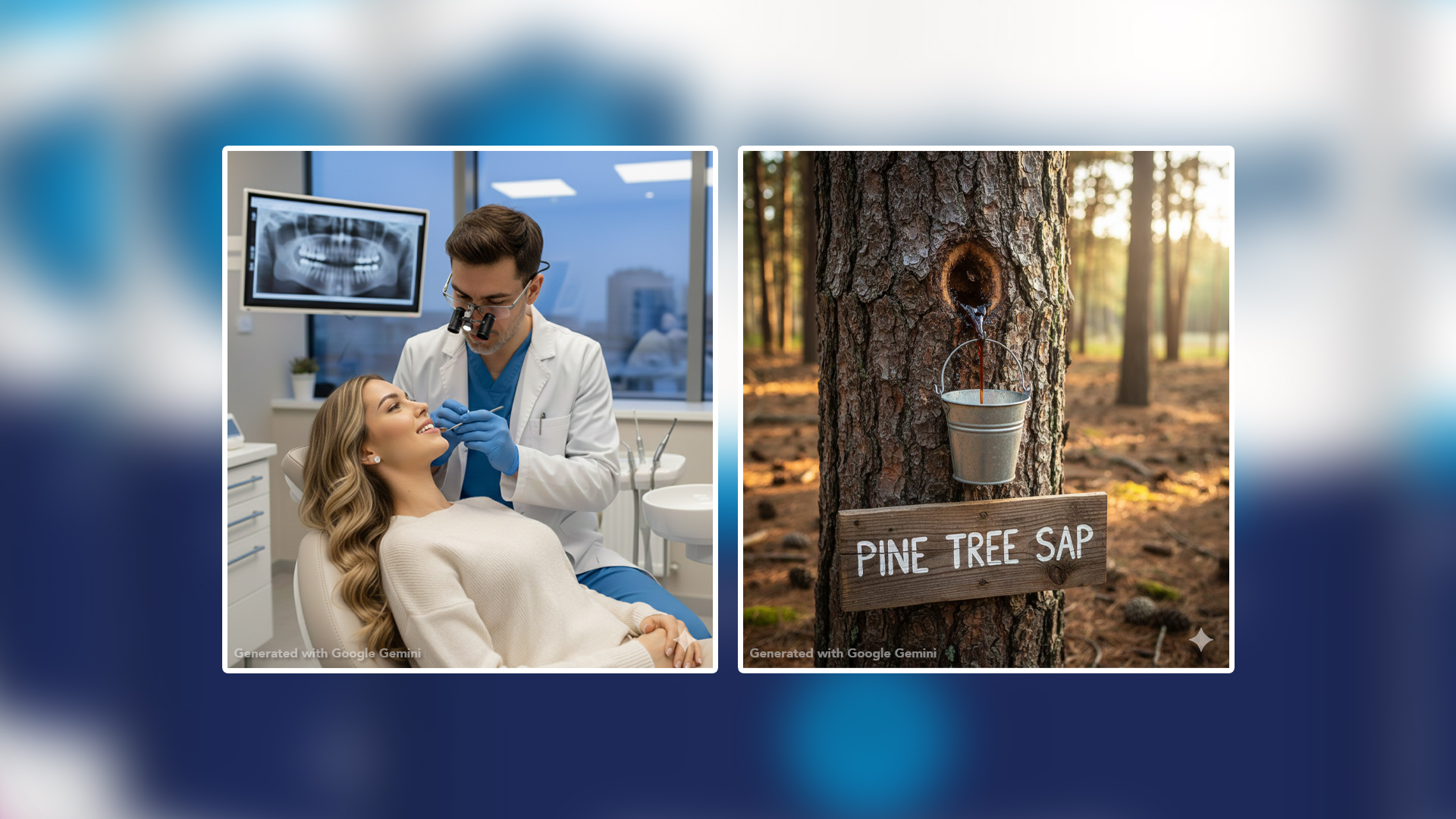
The Dentanol marketing centered on a bedtime mineral ritual that supposedly improved teeth and gums using a pine tree sap recipe prepared on a stove. The presentation promised dramatic oral health improvements, including reversing gum disease, whitening teeth and regrowing enamel. Despite suggesting a homemade recipe, the video ultimately sold a bottled supplement rather than any actual mixture or ritual.
The presentation used an AI-polished host and later introduced another spokesperson wearing a lab coat who described himself as a medical researcher. The video framed the product as a scientific breakthrough while discouraging conventional dental care. These claims echoed patterns seen in other supplement promotions that appeared in Facebook and Instagram ads, which regulators and consumer advocates often flagged for misleading health claims. Similar promotions also circulated through TikTok ads, where short-form clips redirected users to lengthy sales videos.
Fabricated science and fake authority
The Dentanol presentation claimed dental students from Johns Hopkins University studied professors suffering from something called mouth mold. The video displayed photos of supposed professors named Anna Dewitt, Samuel Okoro, Ravi Patel and Leila Haddad. Image analysis suggested the photos were partially or entirely AI-generated. The claims lacked any verifiable evidence that such research occurred.
The video also showed screenshots of articles attributed to The Johns Hopkins News-Letter and Nature. Headlines described mouth mold as the root cause of tooth decay, gum disease and bad breath. The articles never appeared on those publications’ actual websites. The presentation further claimed Harvard and Yale researchers confirmed the findings. No records supported those assertions.
Fake videos, inflated numbers and recycled tactics
The sales video included staged TikTok clips, fabricated YouTube videos and inflated statistics, including claims that tens of thousands of people benefited from the pine tree sap ritual. One example showed a YouTube video with matching subscriber and like counts, a common editing oversight seen in fabricated marketing material.
The presentation also referenced an academic-sounding dental journal entry claiming pine oil inhibited bacteria in laboratory studies. The citation did not correspond to any legitimate journal publication. These elements mirrored patterns used in other dental supplement promotions that rebranded the same product under different names.
Why Dentanol reviews were missing
At the time consumers searched for Dentanol reviews, no credible third-party reviews appeared online. The absence of reviews did not mean the product worked or failed. It reflected that the marketing relied on its own promotional content rather than independent consumer feedback. The website displayed a near-perfect rating based on tens of thousands of reviews, a claim unsupported by any external verification.
Consumers seeking reliable information in the future could monitor established consumer reporting platforms. These include the Better Business Bureau at BBB, the review platform Trustpilot, and Consumer Reports. People who believed they encountered deceptive marketing could also report suspected fraud to the FTC.
Refunds, guarantees and consumer risk
The Dentanol presentation referenced a money-back guarantee. Consumer complaints across the supplement industry showed refund promises often proved difficult to enforce when companies failed to provide clear contact information or charged recurring subscription fees. Buyers frequently reported unexpected monthly charges after initial purchases.
Consumers considering dental health products benefited most from consulting licensed dentists or physicians rather than relying on online miracle cures. Delaying professional care in favor of supplements posed additional risks, particularly when marketing discouraged routine dental visits.
Final thoughts
The Dentanol marketing demonstrated how persuasive storytelling, fake authority and fabricated science could drive sales even without real reviews. While the product itself may have existed, the advertising tactics raised serious concerns. Consumers searching for Dentanol reviews did so because they sensed something was wrong. That instinct remained worth trusting.
Important Note: I generated this article with the help of ChatGPT. Yes, AI. Hear me out. ChatGPT sourced my hours of manual work in creating one or more YouTube videos for this online scam. The reason I chose ChatGPT to write my article, instead of me writing the article manually, is because of how fast AI is in producing warnings to help keep people away from the thousands of scams that exist online. Scammers are using AI to scam consumers at scales unlike humanity has ever seen before. At this rate, the only way to make a meaningful dent in scammers’ work — and to save as many consumers as possible — is not to manually and slowly write scam-busting articles the old-fashioned way. The answer is to ask AI to help get the word out to people to save consumers from potentially experiencing some of the most devastating moments of their lives, which is exactly how many people feel when they’ve been scammed. And yes, this entire note was actually written by me. Thank you for reading.